

Home — Aesthetic Dermatology — Other Services
AESTHETIC DERMATOLOGY · PROCEDUREOther Services
Complementary treatments ranging from medical skin care, which supports the foundations of skin health, to rejuvenation of frequently overlooked areas such as the neck, décolletage and hands, as well as common concerns such as visible capillaries and the submental area. Many of these treatments are planned as personalized combinations that complement facial procedures. Below you can find detailed information about what each treatment is used for, how it is performed, expected results and longevity, and important precautions.
Medical Skin Care
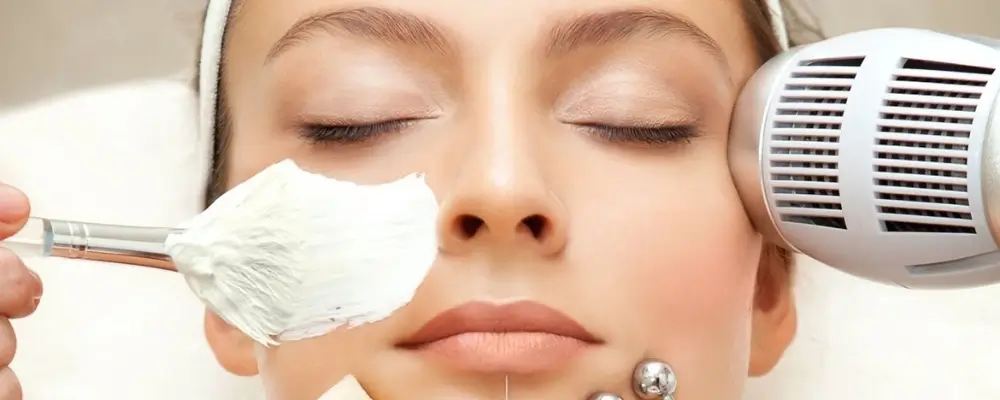
Medical skin care is professional skin care performed in a clinical setting and planned individually according to the skin’s current needs, with physician evaluation. Its main difference from conventional beauty care is that treatment begins with a skin analysis and uses medical-grade products, concentrations and devices for specific goals. Instead of applying the same routine to everyone, the plan takes into account skin type, sensitivity, pore structure and current concerns such as acne tendency, dehydration, dullness and uneven tone.
The procedure usually includes steps such as surface cleansing, a peel suitable for the skin type, comedone or blackhead extraction when needed, followed by a mask and intensive moisturization. Depending on the need, it may be combined with Dermapen, chemical peeling or light-based treatments in the same treatment plan. Medical skin care is not a one-time “miracle”; it is a sustainable approach that works best with regular repetition and an appropriate home-care routine. The goal is controlled, gradual improvement without overloading the skin barrier.
Who is it suitable for?
- People with oily, combination or acne-prone skin
- Dull, tired-looking or dehydrated skin
- People concerned about clogged pores and blackheads
- Those who want to establish a regular and controlled skin-care routine
- Those who want to refresh their skin before a special occasion or event
What is it used for?
- Deep cleansing and pore care
- Supporting the management of acne-prone, combination or oily skin
- Revitalizing dull, tired and dehydrated skin
- Supporting smoother texture and more even tone
- Maintaining general skin health and regular follow-up
How is it performed? (Treatment steps)
A skin analysis is performed first and the goal of the session is defined. Surface cleansing, a peel appropriate for the skin type, comedone extraction when needed, supportive treatments such as Dermapen or light-based procedures when indicated, a mask and intensive moisturization are then applied in a personalized sequence. At the end of the session, sun protection and an appropriate home-care routine are recommended according to skin type.
How often is it repeated?
Frequency depends on skin type and treatment goals and is usually planned as a program repeated at specific intervals. Acne and pore concerns may require more frequent sessions, whereas preventive maintenance may require less frequent treatment. The appropriate interval is determined individually after each session.
Results and longevity
Improvements may be seen in skin quality, vitality and moisture balance, with support for smoother texture and the appearance of pores. However, permanent transformation should not be expected from a single session. The best results are achieved when regular clinical care is combined with an appropriate home routine. If care is discontinued, the skin may gradually return toward its previous condition.
Aftercare and precautions
Mild temporary redness or warmth may occur and usually resolves quickly. During the first day, the skin should be cleansed gently and protected from the sun. After treatments that include exfoliation, stronger ingredients such as retinoids and acids may be paused briefly. During periods of hormonal change, physician advice may be needed for some active ingredients and procedures.
What is the difference between home care and clinical care?
Home care maintains the skin’s daily balance, while clinical care includes medical-grade products, device-assisted steps and professional evaluation. The best results come from using both together: clinical care acts as periodic intensive support, while the home routine provides continuity.
Frequently asked questions
Is medical skin care the same as beauty-salon skin care? No. Medical skin care is based on physician evaluation and skin analysis and uses medical-grade products and devices. The goal is not only a temporary refreshed feeling, but supporting skin health.
Is one session enough? A single session can refresh the skin, but a regular program and home care are recommended for sustained improvement.
Why should the care protocol be personalized?
It is not appropriate to use the same products and treatment sequence for oily, comedone-prone skin and for dry, sensitive or redness-prone skin. The cleansing method, strength of acids, level of moisturization and treatment duration should be adjusted according to the condition of the skin on that day. The aim of regular care is not to continuously peel the skin, but to support the balance of oil, moisture and cell turnover while protecting the barrier.
Product selection after treatment
During the first days after treatment, priority is given to gentle cleansing, adequate moisturization and sun protection rather than using many active products at the same time. Non-comedogenic products may be preferred for acne-prone skin, while fragrance-free and low-irritant products may be preferable for sensitive skin. The home routine is a continuation of clinical care and is important for maintaining results.
During breastfeeding
Medical skin care can generally be performed during breastfeeding. Peels or active ingredients are selected by the physician according to the skin’s needs; conventional cleansing, moisturization and barrier-supportive protocols can be used.
When may treatment be postponed?
If there are active cold sores, open wounds, severe irritation, advanced sunburn or signs suggesting infection, dermatologic evaluation should come before routine skin care. In active inflammatory acne, a controlled protocol is preferred instead of aggressive extraction or intense peeling. If the skin is particularly sensitive on the day of treatment, treatment intensity can be reduced. The aim is not to perform the exact same steps at every session, but to create a safe plan based on the skin’s current needs.
Limits of professional skin care
Medical skin care can support pore appearance, oil balance and skin quality, but it is not a stand-alone treatment for dermatologic diseases such as acne, rosacea, melasma or eczema. If one of these conditions is present, skin care is planned to support medical treatment. Cosmetic care and dermatologic treatment should therefore be viewed as complementary rather than interchangeable.
↑ Back to listNeck / Décolletage Rejuvenation
The neck and décolletage may age more quickly than the face because the skin is thinner, there is less fat tissue and these areas receive substantial sun exposure. They are also often neglected in daily care. This may appear as horizontal lines, laxity, sun spots, visible capillaries and reduced skin quality. Neck lines associated with prolonged forward head posture from phone and tablet use—often called “tech neck”—have also become a common concern.
A youthful-looking face combined with an older-looking neck is a common mismatch. Treating the neck and décolletage helps create a more balanced and natural overall result. Depending on the needs of the area, treatments such as skin boosters or mesotherapy, microneedling radiofrequency or laser, chemical peeling and, when appropriate, fine filler may be combined individually. Sun protection directly influences both results and longevity.
Who is it suitable for?
- People with horizontal neck lines and early laxity
- Those with sun spots, redness or uneven tone on the décolletage
- People who have facial treatments but have neglected the neck and décolletage
- Those seeking a more comprehensive improvement in skin quality and hydration
What is it used for?
- Neck lines and fine wrinkles
- Laxity and reduced skin quality on the neck and décolletage
- Sun damage, spots and uneven tone on the décolletage
- Supporting hydration and brightness in the area
Which methods are used?
Mesotherapy or skin boosters and microneedling radiofrequency may be considered for lines and skin quality; laser, light-based treatments and peels for pigmentation; and fine filler for selected pronounced lines. Because the area is thin and sensitive, the method and dose are adjusted carefully according to skin structure.
How is it performed?
Methods selected according to the needs of the area are combined individually and are usually planned as a series of sessions spaced several weeks apart. The skin is prepared before treatment and topical anesthetic may be used when needed.
Results and longevity
Improvement is gradual and becomes more noticeable over time in skin quality, hydration and firmness. Because the area is exposed to the sun, preserving gains depends on regular sun protection and periodic maintenance.
Aftercare and precautions
Mild short-term redness or sensitivity may occur. Sun protection is particularly important for pigmentation on the décolletage. Realistic expectations are essential; in advanced laxity, the limitations of devices and injectable methods should be discussed with the physician.
Why are neck lines appearing at younger ages?
Looking down at phones and computers for long periods can deepen repetitive folding lines in the neck. For this reason, neck lines are now a common concern even among people in their twenties and thirties. Approaches that support skin quality are often easier to use effectively at earlier stages.
Frequently asked questions
Can neck lines disappear completely? The goal is not to erase them completely but to improve their appearance significantly. Results vary according to line depth and skin structure.
Can treatment be combined with facial procedures? Yes. The neck and décolletage can be included in a comprehensive plan that complements facial treatment.
Why is the area assessed differently from the face?
The skin of the neck and décolletage may be thinner than facial skin, contains fewer sebaceous glands and often accumulates more visible sun damage. A high-intensity treatment tolerated well on the face may therefore not be used at the same dose on the neck. Fine lines, laxity, pigmentation and redness are assessed as separate targets, and different methods can be combined when necessary.
What does a combined approach provide?
No single device solves every concern at the same time. Biostimulatory or regenerative treatments for skin quality, laser or light-based systems for surface and tone, and energy-based treatments for laxity may be planned at different times. The aim is not to make the neck look artificially tight, but to reduce differences in texture and color between the face and neck for a more balanced appearance.
During breastfeeding
Treatment can generally be performed during breastfeeding. The selected device, injectable content or skin-care product is evaluated beforehand and an appropriate protocol is determined individually.
How is the number of sessions determined?
Fine lines, pigmentation and mild laxity do not require the same number of sessions. A short series of device-based treatments may be sufficient for a person with good skin quality but noticeable superficial pigmentation, while longer-interval regenerative treatments may be planned when collagen loss and laxity are more prominent. Rather than fixing the entire course to a single protocol before the response is seen, the plan is updated through controlled follow-up.
How does home care contribute?
When the neck and décolletage are not cared for as regularly as the face, dryness and sun damage may become more noticeable. Moisturizer, antioxidant ingredients and regular sun protection support the effects of clinical treatments. If irritation is triggered by perfume or jewelry contact, those triggers should be reduced first.
↑ Back to listHand Rejuvenation
The hands are one of the areas that can reveal age most clearly. Over time, volume loss on the backs of the hands can make veins and tendons appear more prominent. This is often accompanied by sun spots, thinning skin and rougher texture. Hand rejuvenation is a comprehensive approach that addresses volume loss, skin quality and pigmentation together and is often considered a complement to facial care.
Hyaluronic-acid or collagen-stimulating fillers such as Radiesse may be considered for volume loss; laser, light-based treatments and peels for pigmentation; and mesotherapy or skin boosters for skin quality. Because the hands are used constantly and are frequently exposed to sunlight, treatment planning and post-treatment sun protection are particularly important in this area.
Who is it suitable for?
- People with increasingly visible veins and tendons on the backs of the hands
- Those with sun spots and uneven tone on the hands
- People whose facial skin looks well cared for but whose hands appear older
- Those concerned about thinning or roughened skin
What is it used for?
- Volume loss on the backs of the hands, with more visible veins and tendons
- Sun spots and uneven tone
- Skin quality, hydration and thinning
Which methods are used?
Fillers such as hyaluronic acid or collagen stimulators may be considered for volume; pigment laser, BBL/IPL or peels for pigmentation; and mesotherapy for skin quality. The dominant concern—whether volume loss or pigmentation—is used to determine which method takes priority.
How is it performed?
Treatment is performed by a specialist physician using a technique suitable for the area. Filler can provide a noticeable result in a single session, while pigmentation treatments are generally planned as a series spaced several weeks apart.
Results and longevity
The effect of filler is largely visible immediately and may last for months. Improvement from pigmentation treatments is gradual and should be supported with sun protection. Because new spots can develop over time depending on predisposition and sun exposure, periodic maintenance may be recommended.
Aftercare and precautions
Mild short-term swelling or bruising may occur. Sun protection is important, and crusts that form after pigment treatments should not be picked. Realistic expectations and individual suitability should be assessed beforehand.
Why do the hands reveal age?
The skin on the backs of the hands is thin, there is relatively little fat tissue and the area is exposed to sunlight throughout the year. Frequent washing can also weaken the barrier. This combination may produce volume loss, pigmentation and thinning at the same time. Neglecting the hands while treating the face can therefore create a mismatch in the perception of age.
Frequently asked questions
Can hand spots return? As long as genetic predisposition and sun exposure continue, new spots may develop, so sun protection remains part of treatment.
Can filler look natural? With the correct amount and technique, the aim is a natural result that softens the appearance of veins and tendons.
Which concerns are assessed separately in hand rejuvenation?
Volume loss, visible veins and tendons, sun spots, thinning and dryness may all be present at the same time. Therefore, filler alone or pigment treatment alone may not be sufficient for every patient. Volume loss and superficial color changes are treated as separate targets, and different methods may be planned in different sessions when needed.
Daily care for maintaining results
The hands can dry quickly because of frequent washing, detergent exposure and sunlight. Regular moisturization, protective gloves during prolonged contact with cleaning products and sunscreen applied to the backs of the hands help maintain the appearance achieved with clinical treatments. Consistent sun protection is especially important in people prone to pigmentation.
During breastfeeding
Treatment can generally be performed during breastfeeding. Fillers, biostimulants, lasers and skin-care products are evaluated by the specialist physician before use.
How is the treatment plan created?
If visible veins and tendons caused by volume loss are dominant, volume support may be prioritized; if sun spots are the main concern, pigment-focused treatment may come first; and for thin, wrinkled skin, collagen-supportive methods may be emphasized. When multiple concerns are present, procedures do not need to be layered into a single session. A staged program based on the skin’s recovery time makes it easier to assess results and manage possible side effects.
Considerations during recovery
Injection-based procedures may cause temporary swelling or bruising, while laser treatment may produce redness and sensitivity. During the first days, excessive heat, intense friction and irritating products should be avoided. Sun protection is especially important on hands undergoing pigmentation treatment.
↑ Back to listVisible Capillary Treatment
Visible fine blood vessels in the skin, known as telangiectasias, may occur on the face—often together with redness and rosacea—or on the legs as spider veins. Although these vessels are usually harmless from a medical standpoint, they can be cosmetically bothersome and their appearance may be reduced with appropriate treatment. The method selected depends on the location, diameter and depth of the vessels and whether an underlying circulatory problem is present.
For facial capillaries, vascular laser or light-based procedures such as Derma V or BBL are often preferred; the energy is absorbed by hemoglobin in the vessel with the aim of closing or reducing the vessel. For leg vessels, vascular laser or sclerotherapy—injecting a special solution into the vessel to close it—may be used. Because leg vessels can sometimes be a surface sign of underlying venous insufficiency, assessment of the circulation before treatment is important for both the result and the risk of recurrence.
Who is it suitable for?
- People with visible capillaries on the face, especially around the sides of the nose and cheeks
- Those with persistent redness and vascular appearance associated with rosacea
- People concerned about spider veins on the legs
What is it used for?
- Visible facial capillaries and accompanying redness
- Fine spider veins on the legs
- Uneven color associated with visible vessels
Which methods are used?
Vascular laser or light-based treatment such as Derma V or BBL is commonly used on the face. On the legs, vascular laser or sclerotherapy may be preferred depending on vessel diameter, and the two methods may sometimes be combined. Selection is also adjusted according to skin type and tanning status.
How is it performed?
The technique is selected according to the area and is generally planned as a series of sessions. Before treatment, the skin and, for leg vessels, the circulation are evaluated. The procedure is performed by a specialist physician.
Results and longevity
Vessels gradually fade as treatment progresses. New vessels may develop over time depending on predisposition, hormonal factors and sun exposure, so periodic maintenance may be needed. Recurrence is more likely when an underlying venous problem in the legs is not addressed.
Aftercare and precautions
Temporary redness, mild swelling or bruising may occur, and sclerotherapy can cause temporary color changes in the treated area. Sun protection is recommended. Venous assessment should not be overlooked for leg vessels, and suitability should be discussed with the physician during periods of hormonal change.
Sclerotherapy or laser?
Vascular laser is generally preferred for fine facial vessels. On the legs, the decision depends on vessel diameter: laser may be more suitable for very fine vessels, while sclerotherapy may be more appropriate for somewhat larger visible vessels. The two can also be combined when needed. Selection is made after examination.
Frequently asked questions
Can facial capillaries disappear after one session? Some may fade significantly, but several sessions are often needed.
Is treatment painful? It is generally well tolerated; cooling and appropriate settings are used to improve comfort.
Why does the type of vessel matter?
Very fine red facial vessels, more prominent vessels around the nose and blue-purple vessels on the legs are not treated in the same way. Vessel diameter, depth, color and location determine the wavelength or treatment method used. For leg vessels in particular, the presence of an underlying venous circulation problem should be assessed rather than treating only what is visible on the surface.
Why is sun protection important afterward?
Temporary redness, bruising or mild crusting may occur after vascular laser or similar treatments. Intense sun exposure during this period can increase the risk of color changes. Avoiding irritation, using recommended care products and protecting the area from the sun help make healing more controlled.
During breastfeeding
Treatment can generally be performed during breastfeeding. Energy-based methods such as vascular laser and any additional products that may be needed are evaluated by the physician before treatment.
How many sessions are needed?
The number of sessions depends on vessel diameter, density, location and the method used. One or several treatments may be sufficient for fine facial vessels, while diffuse redness or leg vessels may require a longer plan. Not every vessel is expected to disappear to the same degree in each session; vessels may fade gradually and new vessel formation can continue over time.
Factors that affect recurrence
Genetic predisposition, sun damage, temperature changes, rosacea and venous circulation problems may contribute to the development of new vessels. Even after a successful procedure, preventive sun protection and management of underlying triggers remain important.
↑ Back to listSubmental Area (Lipolysis)
The submental area, often described as a double chin, can become prominent because of weight, genetics or anatomy and can make the face-and-neck profile appear fuller. Lipolysis is a general term for procedures aimed at reducing localized fat in this area. Lipolytic or fat-dissolving injections and device-based methods such as laser lipolysis or Endolift may be used. The aim is to reduce submental fullness and make the jawline and neck contour appear more defined.
An important point is that lipolysis is not a weight-loss method. It targets stubborn fat in a specific area rather than general excess weight. The best results are generally obtained in people with localized fat, reasonable skin elasticity and realistic expectations. Lipolysis alone may not be sufficient in advanced skin laxity; in such cases, thread lifting, Endolift or other tightening approaches may also be considered. Because the region is anatomically sensitive, experienced medical treatment and correct candidate selection are important.
Who is it suitable for?
- People with localized, persistent fat beneath the chin
- Those with a prominent double chin despite stable body weight
- People with reasonable skin elasticity and realistic expectations
What is it used for?
- Localized fat beneath the chin
- Creating a more defined jawline and neck contour
- Supporting the profile appearance
Which methods are used?
Lipolytic injections, which use fat-dissolving solutions in the treatment area, or device-based methods such as laser lipolysis or Endolift may be used. If skin tightening is also needed, tightening treatments can be added to the same overall plan. The method is selected according to the amount of fat, skin structure and expectations.
How is it performed?
Injection-based treatment is generally planned as a program of several sessions. Device-based methods are performed after local anesthesia when needed. All procedures are carried out by a specialist physician under appropriate conditions.
How many sessions are needed?
The number of sessions varies according to the amount of fat, the selected method and the individual response. Injection lipolysis may require multiple sessions, while fewer sessions may be sufficient with some device-based procedures. The final plan is determined after examination.
Results and longevity
Improvement is gradual and the result usually becomes more noticeable over several weeks. The effect may be long-lasting when weight remains stable, but substantial weight gain may cause the area to become fuller again. Because this is not a weight-loss method, expectations should be set accordingly.
Aftercare and precautions
Swelling, tenderness or bruising may last for several days and may be more noticeable after injection-based treatment. Because the area is sensitive, physician experience and correct technique are important. Treatment may not be suitable in active infection or certain periods of hormonal change; suitability is determined by examination.
Difference between injection lipolysis and Endolift
Injection lipolysis targets fat cells chemically and is generally performed in a series of sessions. Endolift uses a laser fiber to both reduce localized fat and support skin tightening and is often planned as a single session. When skin laxity accompanies fat accumulation, Endolift may be considered because of its additional tightening effect.
Frequently asked questions
Can sagging develop after double-chin treatment? It is not generally expected in appropriately selected patients with good skin elasticity. If advanced laxity is present, tightening methods can be added to the plan.
Is it permanent? Results may be long-lasting when weight remains stable, although significant weight changes can affect the outcome.
Why should the cause of the double-chin appearance be identified?
Fullness beneath the chin is not always caused only by excess fat. A recessed chin, skin laxity, neck-muscle anatomy and other anatomical features can also contribute. If fat tissue is limited, lipolysis alone may not produce the expected change in contour. The amount of fat and the degree of skin firmness should therefore be evaluated together before treatment.
Difference between fat reduction and tightening
Injection lipolysis primarily targets small localized fat deposits, while energy-based methods may also contribute to tightening of subcutaneous connective tissue. When there is significant excess skin, surgical methods may provide a more predictable result. The appropriate method is selected according to individual anatomy and the degree of correction expected.
During breastfeeding
Treatment can generally be performed during breastfeeding. The lipolysis product or energy-based method to be used is assessed beforehand by the specialist physician, and the treatment plan is individualized.
When does the result become noticeable?
Because swelling may be present during the first days after fat-targeting procedures, the early appearance should not be considered the final result. Tissue recovery and the treatment effect can take several weeks. If another session is required, the response to the previous treatment should be evaluated first. A gradual approach is preferred because excessive treatment can create irregular contouring at the transition between the face and neck.
The role of weight control
Although limited fat beneath the chin may be reduced with treatment, general weight gain can increase new fat accumulation over time. Stable weight and healthy lifestyle habits help maintain the resulting contour. However, because genetics and chin anatomy also play a role, a double-chin appearance may be present even in slim individuals.
↑ Back to listStretch Mark (Striae) Treatment
Stretch marks, or striae, are linear changes that develop when elastic and collagen fibers in the dermis are stretched and thinned during rapid expansion of the skin. Rapid growth, rapid weight gain or loss, certain hormonal conditions and genetic predisposition are among the main causes. They most commonly occur on the abdomen, buttocks, thighs, breasts and arms. Initially they may appear red-purple as striae rubrae; over time they fade, become white and may appear slightly depressed as striae albae.
The aim of treatment is to support skin repair by improving the color, texture and depth of stretch marks. Newer red stretch marks generally respond better because they still contain more vascular activity and active cells, while complete removal of older white stretch marks is difficult. Earlier treatment may therefore offer an advantage, and realistic expectations are important.
Who is it suitable for?
- People who develop stretch marks after rapid changes in weight or body size
- Those with newer red stretch marks, which often respond better
- People who want to reduce the appearance of older white stretch marks
What is it used for?
- The appearance of newer red and older white stretch marks
- Texture, color and skin quality in the affected area
- Supporting skin repair processes
Which methods are used?
Depending on the type and stage of the stretch marks, fractional laser, microneedling radiofrequency, microneedling with Dermapen, mesotherapy and peeling may be used alone or in combination. Light or laser treatment may be emphasized for the vascular component of newer red stretch marks, while tissue-remodeling methods may be more relevant for older white stretch marks.
How is it performed?
Appropriate method or methods are selected individually and are generally planned as a series of sessions several weeks apart. The area is prepared before treatment and topical anesthetic may be used when needed.
Results and longevity
Improvement is gradual and may be more noticeable in early red stretch marks. The goal is not complete removal but a meaningful improvement in appearance and texture. Results vary between individuals and according to the age of the stretch marks.
Aftercare and precautions
Temporary redness and sensitivity may occur. Sun protection is recommended, and crusts that form after some procedures should not be picked. Certain treatments may be postponed during periods of hormonal change; suitability should be discussed with the physician.
Can the risk of stretch marks be reduced?
During higher-risk periods such as rapid body change or rapid muscle gain, keeping the skin moisturized and avoiding sudden weight fluctuations may help reduce the risk. However, genetic predisposition remains important, and early evaluation of newly formed stretch marks may improve the treatment response.
Frequently asked questions
Can stretch marks disappear completely? Complete disappearance is not generally expected, particularly with older white stretch marks, but their appearance can often be improved significantly.
When is the best time to start treatment? Starting while stretch marks are still red or pink generally offers a better response.
Difference between new and old stretch marks
New stretch marks may initially appear pink, red or purple and have a more prominent vascular component. Over time, the color fades and the lines become whitish. Newer stretch marks often respond better to treatment, while in older white stretch marks the main goal is to reduce differences in texture and color rather than eliminate the marks completely.
Why may more than one method be needed?
A stretch mark is not merely a superficial color change; structural changes occur in collagen and elastic fibers in the dermis. For this reason, collagen-stimulating methods such as fractional laser, microneedling or radiofrequency may be planned according to skin type. Session intervals are arranged to allow adequate recovery time.
During breastfeeding
Treatment can generally be performed during breastfeeding. The condition of the treatment area, the device to be used and any topical products that may be needed are evaluated by the specialist physician.
Why can session intervals be relatively long?
Many stretch-mark treatments aim to create controlled wound healing and stimulate new collagen production. Because collagen remodeling is not completed within a few days, adequate recovery time is allowed between procedures. Performing treatments too frequently may increase irritation and pigment-change risk rather than accelerate the result. The interval depends on the method used and the individual healing rate.
Realistic expectations
Promising completely smooth skin is not realistic, especially for older white stretch marks. The goal is to reduce width, depth and color difference so that the stretch marks blend more closely with the surrounding skin. The degree of improvement varies between individuals.
↑ Back to listCellulite Treatment
Cellulite is a dimpled “orange-peel” appearance of the skin, seen especially on the thighs, buttocks and hip area. It results from the relationship between fat cells, connective-tissue fibers and skin structure and is very common in women because of differences in subcutaneous anatomy. It is not a disease and is not necessarily directly related to body weight; it can also occur in slim people. Hormonal factors, circulation, inactivity and genetic predisposition may influence its appearance.
The aim of treatment is to improve the appearance and support skin texture and firmness. Methods such as radiofrequency, mechanical massage or vacuum-based treatments and mesotherapy may be combined individually. Balanced nutrition, regular activity, adequate hydration and habits that support circulation also contribute to the process. For realistic expectations, it is important to understand that cellulite does not have a guaranteed permanent cure and that the goal is sustainable improvement.
Who is it suitable for?
- People bothered by an orange-peel appearance on the thighs, buttocks or hips
- Those who want to support skin firmness and tissue quality
- People who are willing to combine treatment with lifestyle recommendations
What is it used for?
- Orange-peel appearance on the thighs, buttocks and hips
- Supporting skin texture and firmness
- Improving local skin quality
Which methods are used?
Radiofrequency for skin firmness and texture, mechanical massage or vacuum for circulation and tissue, and mesotherapy may be considered together. The approach is individualized according to the grade of cellulite and any accompanying skin laxity.
How is it performed?
Selected methods are combined individually and are usually planned as a series of sessions. The process may be more effective when supported by regular movement and balanced nutrition.
Results and longevity
Improvement is gradual and may support both appearance and skin quality. Periodic maintenance and consistent lifestyle habits are important for sustainability. Results vary between individuals, and the appearance may become more noticeable again when supportive habits are not maintained.
Aftercare and precautions
Temporary redness or mild sensitivity may occur depending on the procedure. Realistic expectations are important. During periods of hormonal change or in certain medical conditions, suitability should be discussed with the physician.
Cellulite grades
Cellulite can range from a mild form visible only when the skin is compressed to more advanced dimpling that is clearly visible while standing. The grade helps determine which methods should be combined and how expectations should be set, making proper assessment important.
Frequently asked questions
Can cellulite disappear completely? There is no guaranteed permanent solution, but the appearance can be reduced and skin quality supported.
Is treatment alone enough? The best results are generally achieved when procedures are combined with appropriate lifestyle measures.
Why is cellulite not simply related to weight?
Cellulite develops through the combined effects of connective-tissue septa beneath the skin, distribution of fat cells, skin thickness, circulation and genetics. It may therefore occur in slim people and may not disappear completely with weight loss alone. Dimpling, skin laxity and localized fat are assessed separately in the treatment plan.
Which approach is used for which target?
Methods targeting fibrous connective-tissue bands may be considered for prominent dimpling, energy-based procedures for skin quality and laxity, and fat-targeting methods for localized excess fat. A single session or a single device should not be expected to produce the same result in every type of cellulite. Regular exercise, stable weight and ongoing skin care support treatment.
During breastfeeding
Treatment can generally be performed during breastfeeding. The device, injection or supportive method to be used is selected individually by the specialist physician.
Maintaining results
Cellulite treatments may reduce the visible effects of connective-tissue structure and skin-surface irregularity, but genetics and tissue characteristics do not change completely. Long-term weight fluctuations, inactivity and increasing skin laxity can make the appearance more noticeable again. Regular movement, maintenance of muscle mass, adequate fluid intake and weight stability support the results of treatment.
When is combination treatment considered?
If dimpling, laxity and localized excess fat occur together, a staged combination plan may be more appropriate than a single method. The most dominant concern is targeted first, after which the remaining problem is reassessed. This helps reduce unnecessary procedures and makes treatment response easier to monitor.
↑ Back to listSkin Tag Procedures
Skin tags, also called acrochordons, are small, benign, soft and often pedunculated skin growths that commonly occur on the neck, underarms, eyelids and body folds. They may become bothersome because of friction, catching on necklaces or clothing, or cosmetic concerns. They are often multiple, and people with a predisposition may develop new ones over time. After appropriate evaluation, they can usually be removed using relatively simple methods.
An important point is that not every raised skin lesion is a skin tag. The lesion should therefore be evaluated by a specialist before removal. Suspicious, changing, growing or pigmented lesions may require a different approach such as dermoscopic examination and, when appropriate, biopsy. Skin tags should also not be cut, tied off or torn off at home, as this carries risks of infection, bleeding, scarring and incorrect diagnosis.
Who is it suitable for?
- People with skin tags on the neck, underarms or around the eyes
- Those bothered by friction or catching on clothing or accessories
- People seeking removal for cosmetic reasons
What is it used for?
- Benign skin tags and similar small superficial lesions
- Lesions that cause friction, catching or cosmetic concern
Which methods are used?
Depending on the size and location of the lesion, cauterization, radiofrequency or laser may be selected. Treatment is usually performed with local anesthesia and is generally brief; multiple lesions can often be treated in the same session.
How is it performed?
The lesion is assessed first. If it is considered appropriate for routine removal, the selected method is used after local anesthesia. Suspicious lesions are not treated as simple skin tags and are managed separately.
Results and longevity
The treated lesion is removed and the small resulting crust usually heals within several days. A removed skin tag generally does not recur at exactly the same spot, although new skin tags may form in other areas over time in people with a predisposition.
Aftercare and precautions
A small crust or mild redness is normal. The crust should not be picked and the area should be protected from the sun. Most importantly, suspicious or changing lesions should be assessed before treatment and no skin growth should be treated at home without a diagnosis.
Why do skin tags develop?
There is no single cause. Their greater frequency in areas prone to friction such as the neck, underarms and groin suggests a mechanical contribution. Genetic predisposition and certain metabolic conditions may also be associated. If the number of lesions increases rapidly, a general clinical assessment may be appropriate.
Frequently asked questions
Does skin tag removal leave a scar? With an appropriate method and aftercare, the risk of noticeable scarring is low and small lesions often heal without a significant scar.
Can they come back? A treated lesion generally does not recur at the same spot, but new lesions may develop elsewhere in predisposed individuals.
Is every raised lesion a skin tag?
No. Warts, moles, seborrheic keratoses and other skin lesions may resemble skin tags. Rapidly growing, bleeding, color-changing or irregular lesions should therefore be evaluated by a dermatologist before any procedure. Cosmetic cauterization or cutting should not be performed when the diagnosis is uncertain.
Can they recur after removal?
The treated skin tag usually does not regrow from exactly the same point, but new skin tags may develop over time in friction-prone areas or in people with an individual predisposition. This tendency may be more noticeable in folds such as the neck, underarms and groin. New lesions alone do not necessarily indicate a malignant condition, but any change in appearance should be assessed.
During breastfeeding
Skin tag removal can generally be performed during breastfeeding. If local anesthesia or a particular procedure is needed, it is evaluated beforehand by the specialist physician.
Healing after the procedure
Depending on the method used, a small crust, mild redness or tenderness may develop. Keeping the area clean, avoiding picking the crust and using sun protection on exposed areas help reduce the risk of color change. In areas with frequent friction such as the neck and underarms, avoiding tight clothing and accessories that increase irritation may be helpful during the first days.
What if there are many skin tags?
Multiple lesions can be assessed during the same visit, although treatment may be divided into more than one session depending on number, size and location. When many new lesions appear over a short period, the clinical history may also be reviewed for metabolic or genetic predisposition.
↑ Back to listLet’s Determine the Right Care Program for You
Contact us for an individualized care plan that considers your skin and your needs as a whole.